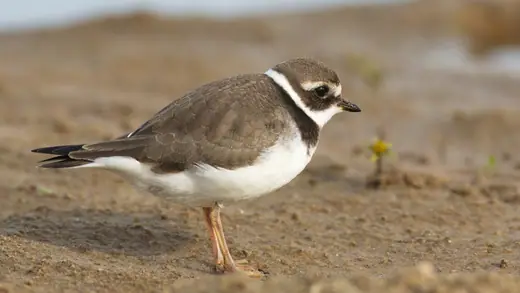
 SeasonalRinged PloverCharadrius hiaticula
Photo: Вячеслав Юсупов, CC BY
Places › Northern shore · Cliffs
Algeciras · 36.08° N, 5.43° W
The cliffs between Getares and Punta Carnero, where the Algeciras flysch shows its history edge-on: over a thousand metres of alternating grey marls and brown sandstones, laid down by turbidity currents between 37 and 22 million years ago and now uplifted facing the Strait. A Site of Geological Interest listed by the Spanish Geological Survey (AND157). Walked along the shore at low tide, between the wave-cut platform and the cliff; seabirds on passage, cormorants and rock thrushes on the walls, and soaring birds over the cape in spring.
90 % of the records are from 2016 onwards.
September
The species with the largest share of their open observations in these weeks of the year, here (week 37 and its two neighbours). A likelihood, not a promise: observations measure effort as well as presence.
SeasonalRinged PloverCharadrius hiaticulaPhoto: Вячеслав Юсупов, CC BY
28% of its observations here fall in these weeks
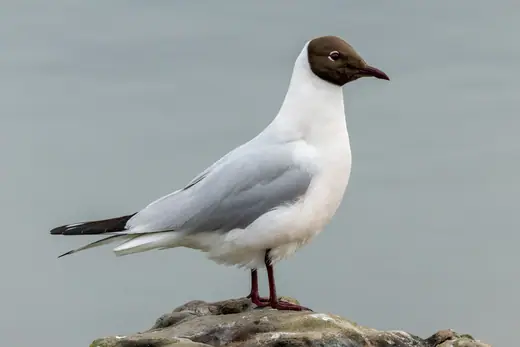 SeasonalBlack-headed GullChroicocephalus ridibundus
Photo: Alexis Lours, CC BY
18% of its observations here fall in these weeks
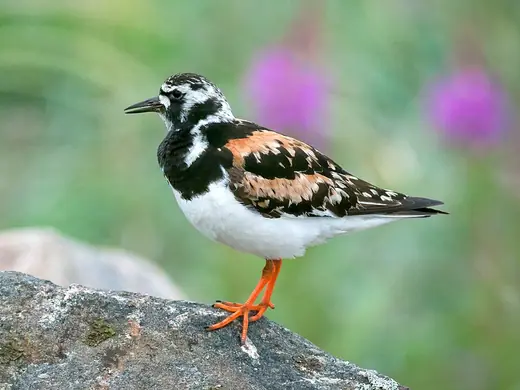 SeasonalRuddy TurnstoneArenaria interpres
Photo: Original: neekoh.fi; this edit: MPF, CC BY 2.0
17% of its observations here fall in these weeks
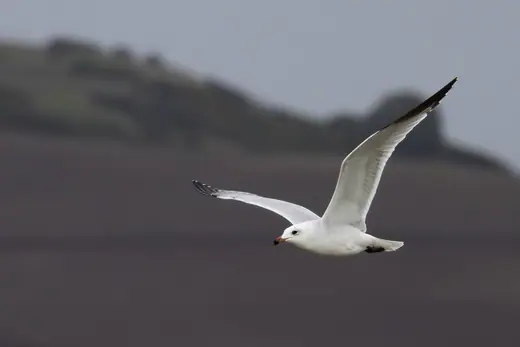 SeasonalAudouin´s GullLarus audouinii
Photo: Diego González Dopico, CC BY
17% of its observations here fall in these weeks
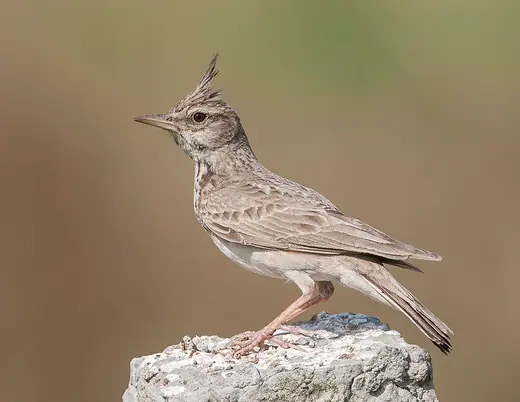 ResidentCrested LarkGalerida cristata
Photo: Koshy Koshy, CC BY
14% of its observations here fall in these weeks
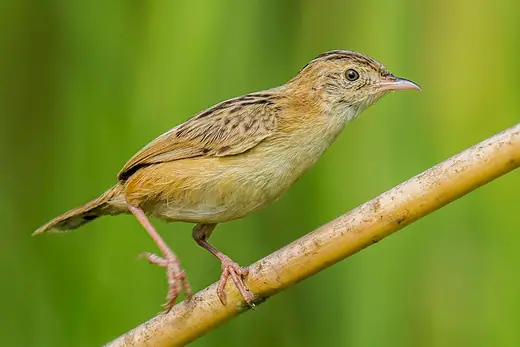 ResidentZitting CisticolaCisticola juncidis
Photo: Morhaf kamal aljanee, CC BY-SA 4.0
14% of its observations here fall in these weeks
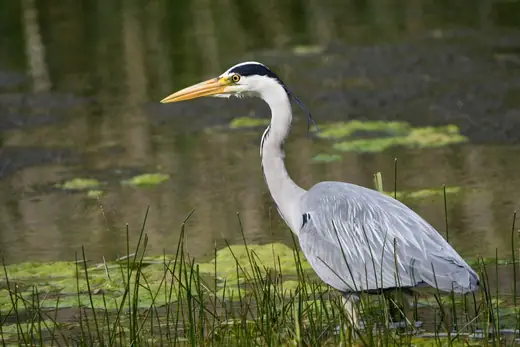 ResidentGrey HeronArdea cinerea
Photo: Frank Sengpiel, CC BY
12% of its observations here fall in these weeks
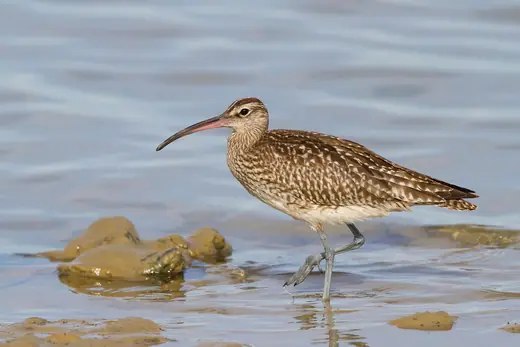 SeasonalWhimbrelNumenius phaeopus
Photo: Pierre Dalous, CC BY-SA
12% of its observations here fall in these weeks
Where to watch today
Forecast wind at Flysch, 10:00–16:00
9km/h from the SW
Gusts
30 km/h
A westerly shifts the passage east. Soaring birds approach the sea between Algeciras, Punta Carnero and Gibraltar, and cross towards Ceuta and Jbel Musa.
Watchpoint: Algarrobo and Punta Carnero
Forecast for Tuesday 8 September, Open-Meteo (CC BY 4.0). A reading, not a prediction of passage.
Species more concentrated here than in the rest of the Strait: their share of observations at the place divided by their share across the whole area. An index of 3 means three times more frequent here than expected.
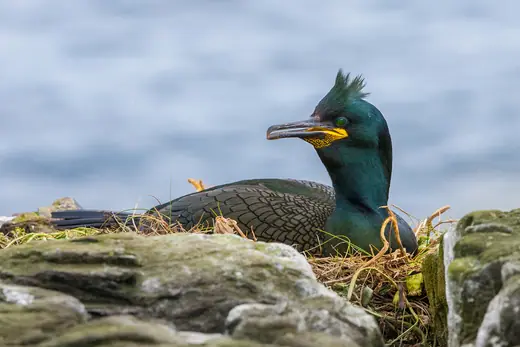 European Shag×19.8
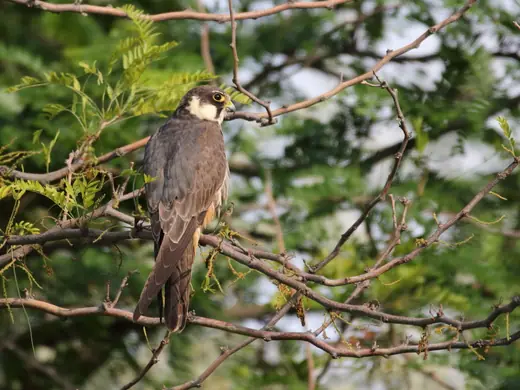 Eurasian Hobby×5.2
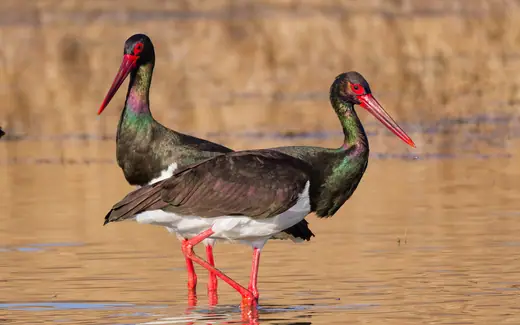 Black Stork×4.2
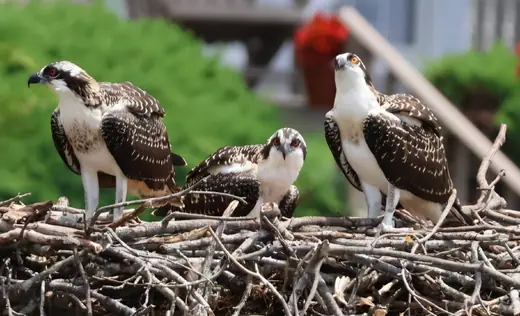 Osprey×3.5
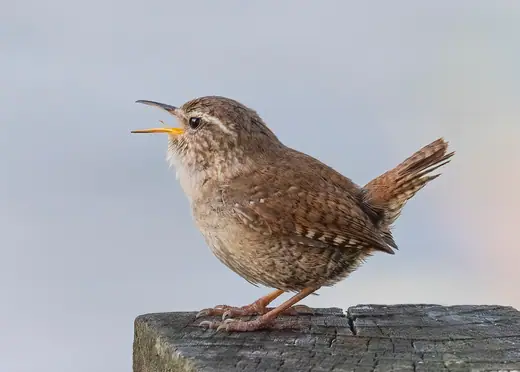 Winter Wren×3.5Whimbrel×3.5
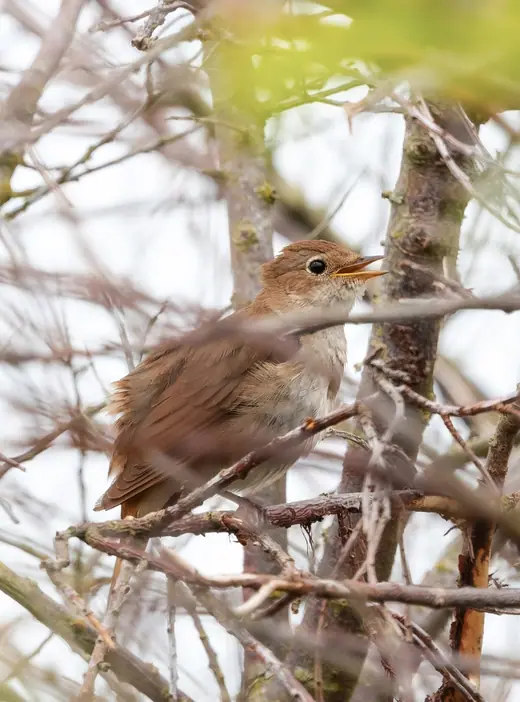 Common Nightingale×3.2
Birds with 30 or more open records within the site radius. It measures observation effort as well as presence.
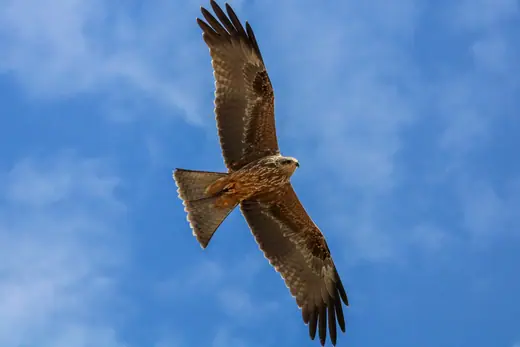 Black Kite724
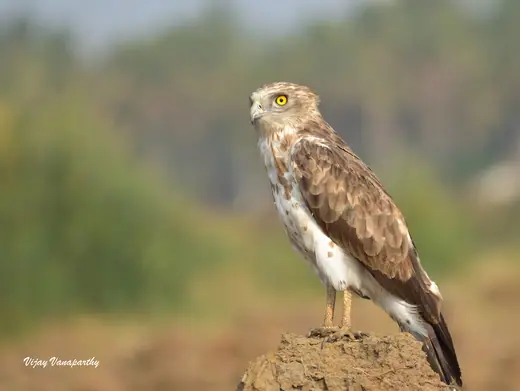 Short-toed Snake Eagle634
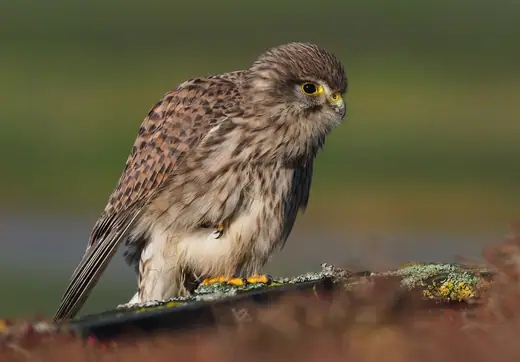 Common Kestrel575
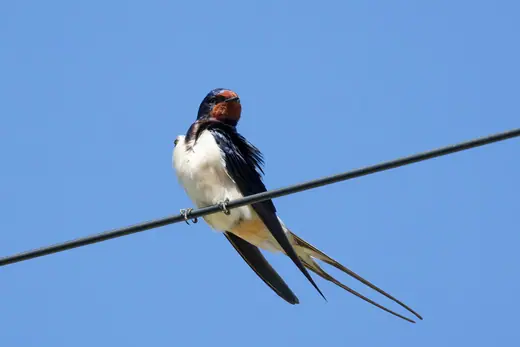 Barn Swallow554
 Northern Gannet525
Each species' line is its weekly distribution here; the vertical tick is the current week.
Important Bird Area (IBA)
Inventory kept by SEO/BirdLife within BirdLife International's IBA programme. It is not a legal protection status, but it carries weight in impact assessments and in court.
Natura 2000 network
The cliffs between Getares and Punta Carnero, where the Algeciras flysch shows its history edge-on: over a thousand metres of alternating grey marls and brown sandstones, laid down by turbidity currents between 37 and 22 million years ago and now uplifted facing the Strait. A Site of Geological Interest listed by the Spanish Geological Survey (AND157). Walked along the shore at low tide, between the wave-cut platform and the cliff; seabirds on passage, cormorants and rock thrushes on the walls, and soaring birds over the cape in spring.
CC0 and CC BY records from GBIF and OBIS in the own database, deduplicated, within about 1.5 km of the point. Natura 2000 sites from the European Environment Agency. Protection designations as currently in force; no legal value. 8 September 2026.