Tuesday, 8 September 2026
The Strait now
What can be said about the Strait today: the wind forecast for Tarifa and how it decides the crossing, the groups on passage according to the calendar, and which species are due this week from each site.
Where to watch today
Forecast wind at Tarifa, 10:00–16:00
7km/h from the SW
Gusts
20 km/h
Calm: crossing along the whole front
With no dominant wind, soaring birds cross at any point between Tarifa and Gibraltar as soon as the thermals rise. It is the most spread-out day and the most comfortable for watching.
Watchpoint: Any; Cazalla and Algarrobo cover both ends
Forecast for Tuesday 8 September, Open-Meteo (CC BY 4.0). A reading, not a prediction of passage.
Seasonality
September is the peak of soaring birds heading south.
Photo: European Honey Buzzard, Alidz31, CC BY · Barn Swallow, Donald Davesne, CC BY · Northern Gannet, Brooke J., CC BY
Deduced from the migration calendar, not from today's observations.
Recent observations
Observations from the last few days will come from eBird and iNaturalist once their terms of use are settled.
Until then this block will show no sightings: presenting a historical record as recent would be the easiest mistake to make and the hardest to detect.
Latest data added: 8 September 2026
The cetaceans observed in the Strait
Full list taken from the OBIS checklist for the extended area. Sixteen species, from the harbour porpoise to the blue whale.
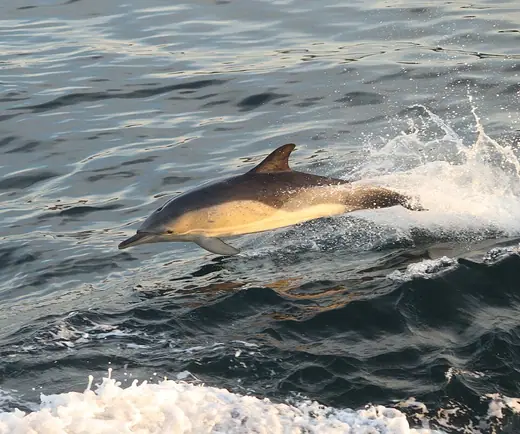 Short-beaked Common DolphinDelphinus delphis
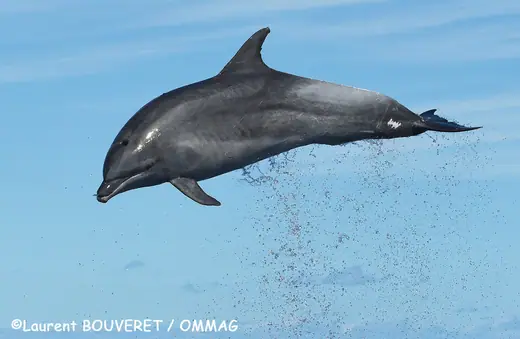 Common Bottlenose DolphinTursiops truncatus
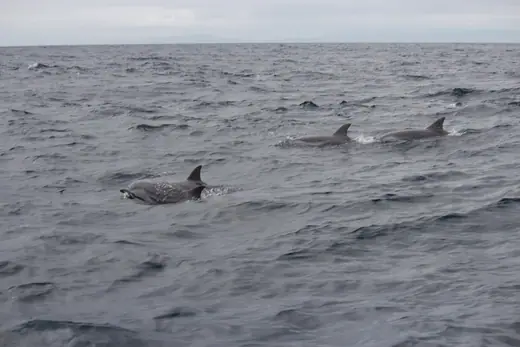 Striped DolphinStenella coeruleoalba
 Atlantic Spotted DolphinStenella frontalis
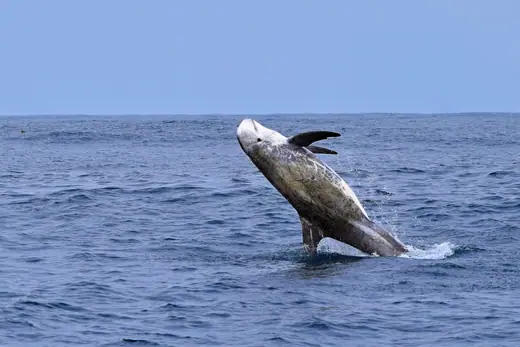 Risso's DolphinGrampus griseus
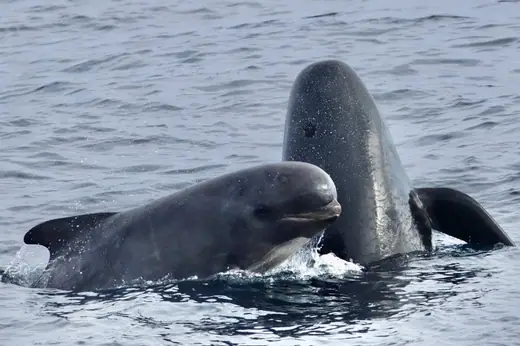 Long-finned Pilot WhaleGlobicephala melas
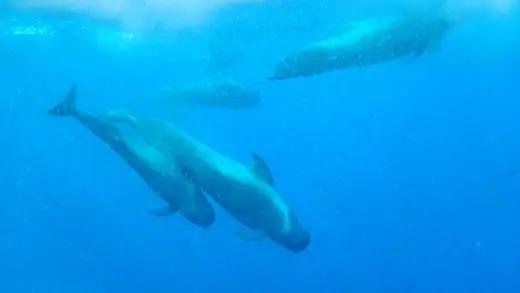 Short-finned Pilot WhaleGlobicephala macrorhynchus
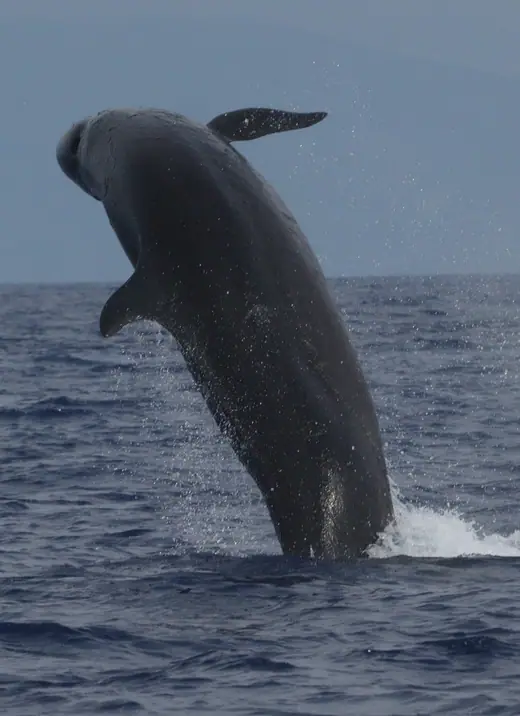 False Killer WhalePseudorca crassidens
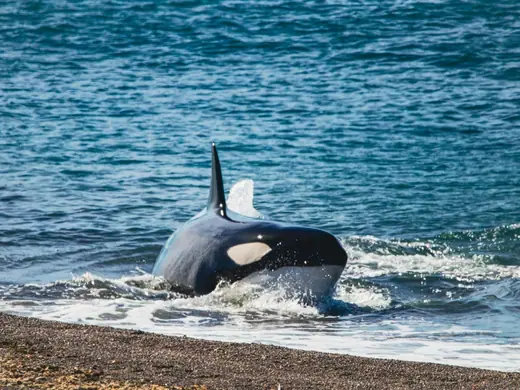 Killer WhaleOrcinus orca
 Harbour PorpoisePhocoena phocoena
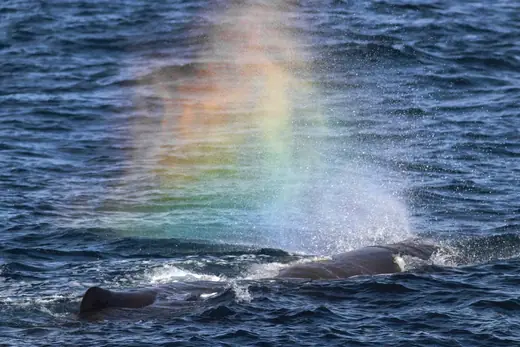 Sperm WhalePhyseter macrocephalus
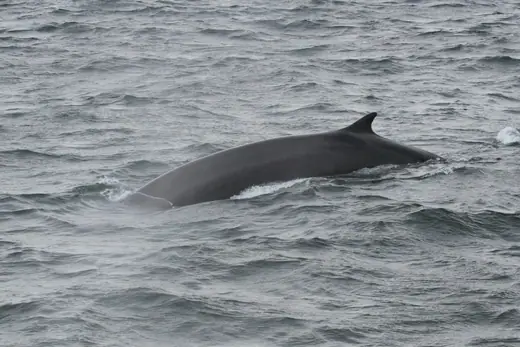 Fin WhaleBalaenoptera physalus
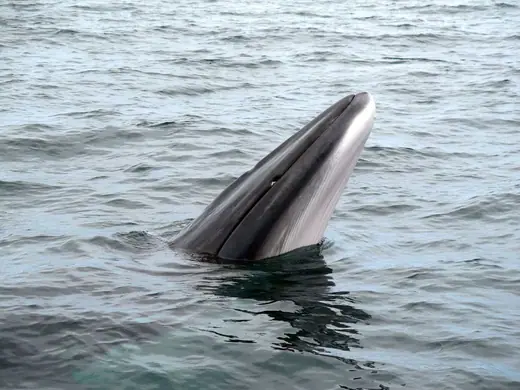 Common Minke WhaleBalaenoptera acutorostrata
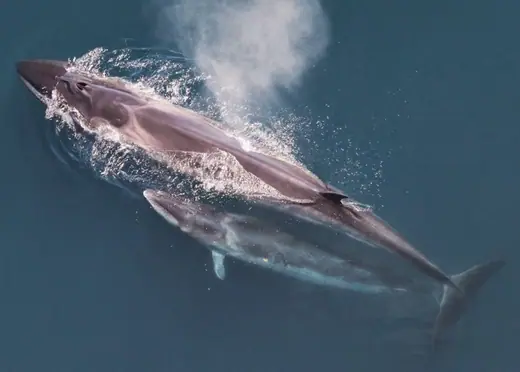 Sei WhaleBalaenoptera borealis
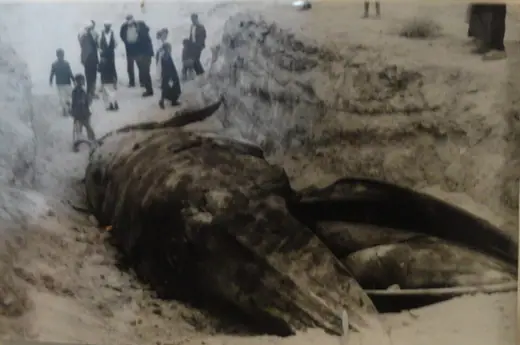 Bryde's WhaleBalaenoptera edeni
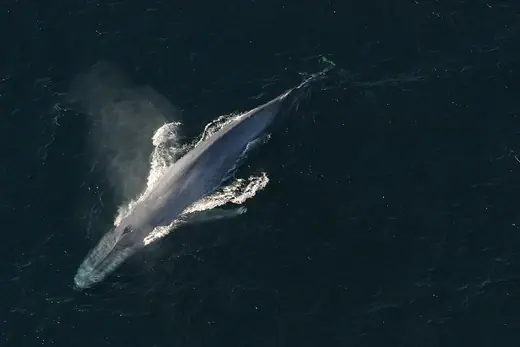 Blue WhaleBalaenoptera musculus
What to see this week, site by site
At each site, the species with the largest share of their open records in these weeks of the year (week 37 and its two neighbours). A probability, not a promise.
Watchpoint
Cazalla watchpoint
Tarifa
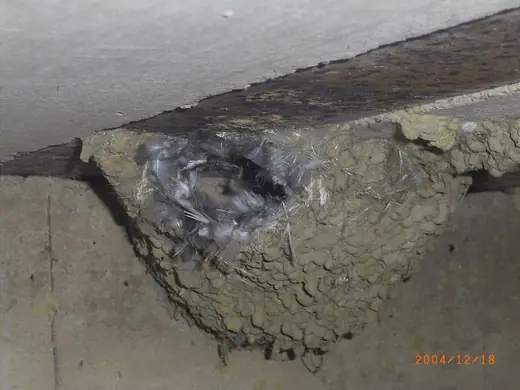 White-rumped Swift75% of its observations here fall in these weeks
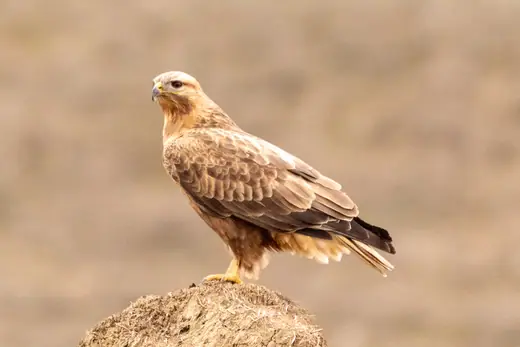 Long-legged Buzzard69% of its observations here fall in these weeks
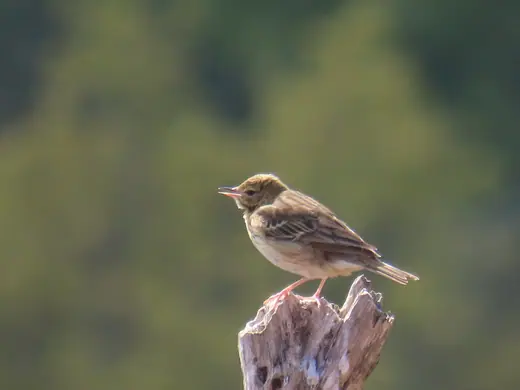 Tree Pipit66% of its observations here fall in these weeks
Island
Isla de las Palomas
Tarifa
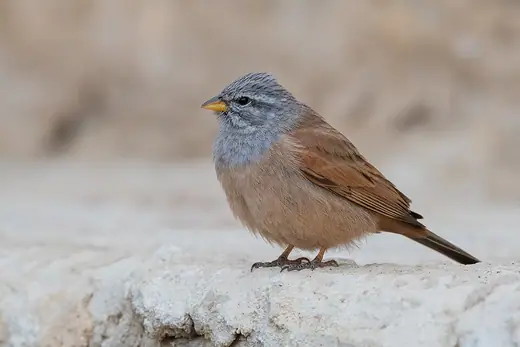 House Bunting97% of its observations here fall in these weeks
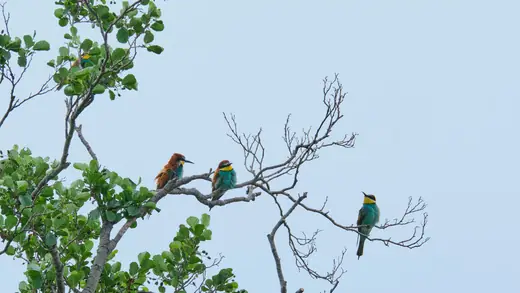 European Bee-eater44% of its observations here fall in these weeks
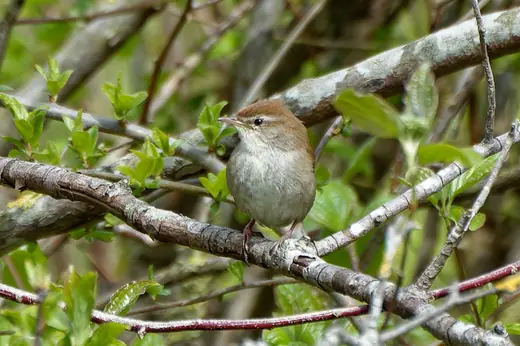 Cetti’s Warbler35% of its observations here fall in these weeks
Estuary and marsh
Los Lances beach
Tarifa
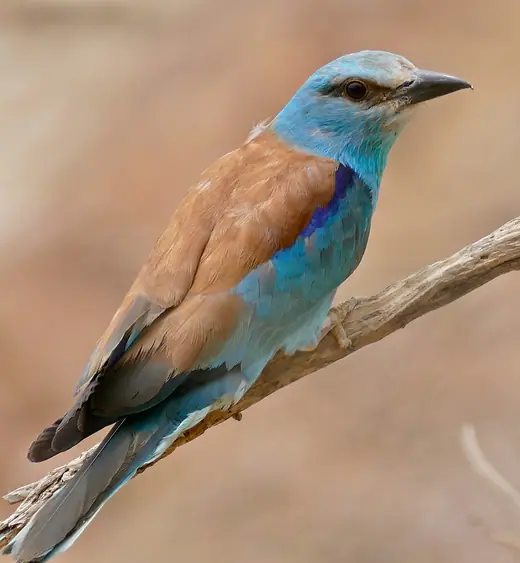 European Roller65% of its observations here fall in these weeks
- Tree Pipit60% of its observations here fall in these weeks
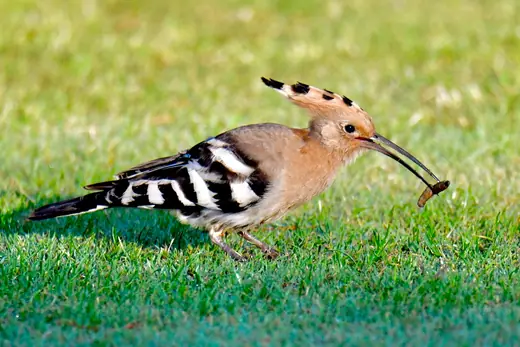 Hoopoe56% of its observations here fall in these weeks
Cape
Punta Carnero
Algeciras
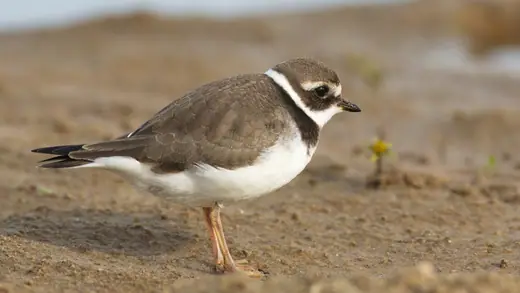 Ringed Plover31% of its observations here fall in these weeks
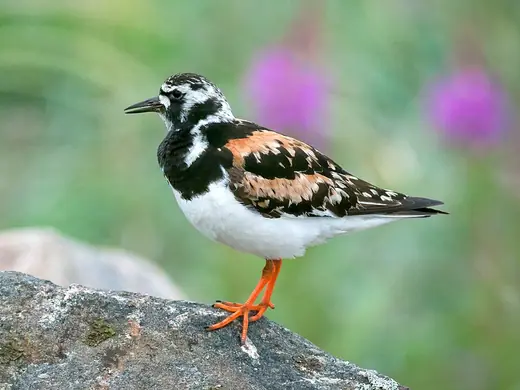 Ruddy Turnstone18% of its observations here fall in these weeks
- Audouin´s Gull16% of its observations here fall in these weeks
Watchpoint
El Algarrobo watchpoint
Algeciras
- Motacilla flava67% of its observations here fall in these weeks
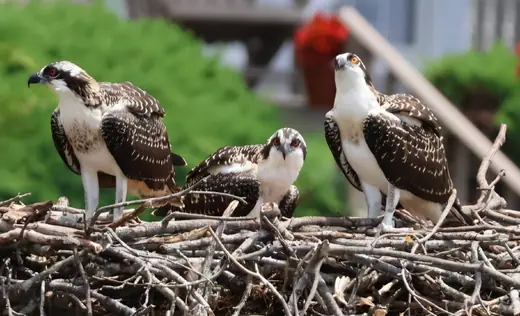 Osprey65% of its observations here fall in these weeks
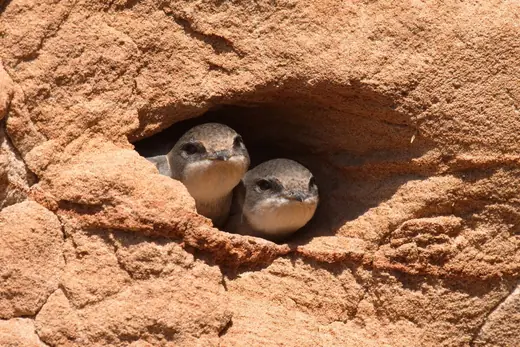 Sand Martin64% of its observations here fall in these weeks
Estuary and marsh
Palmones marshes
Algeciras y Los Barrios
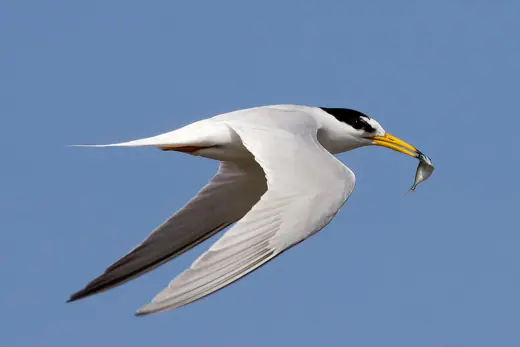 Little Tern64% of its observations here fall in these weeks
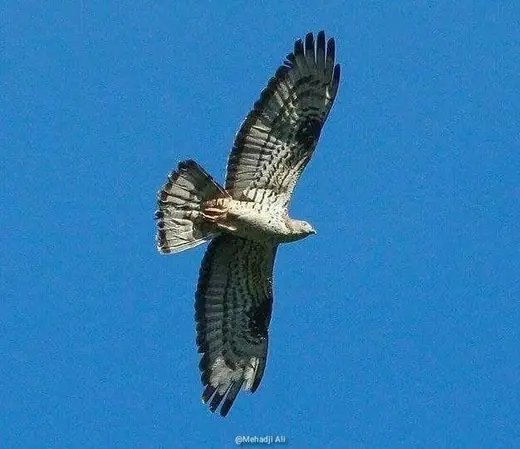 European Honey Buzzard53% of its observations here fall in these weeks
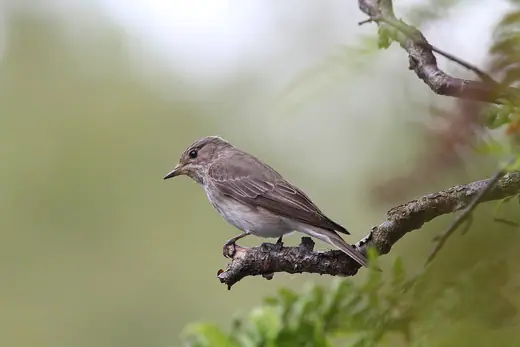 Spotted Flycatcher52% of its observations here fall in these weeks
Port
Isla Verde
Algeciras
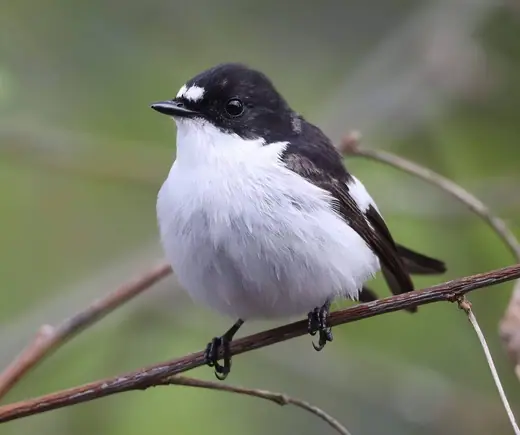 European Pied Flycatcher79% of its observations here fall in these weeks
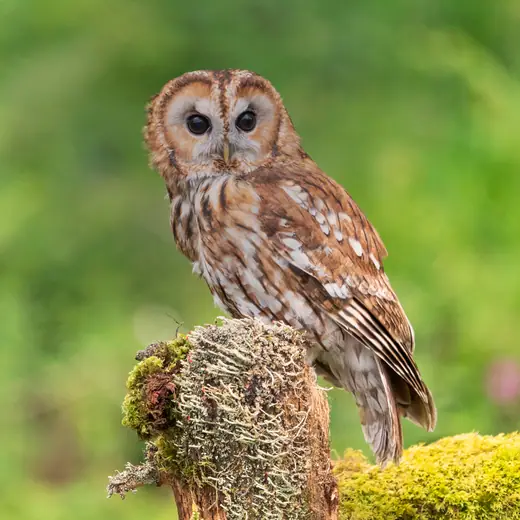 Tawny Owl73% of its observations here fall in these weeks
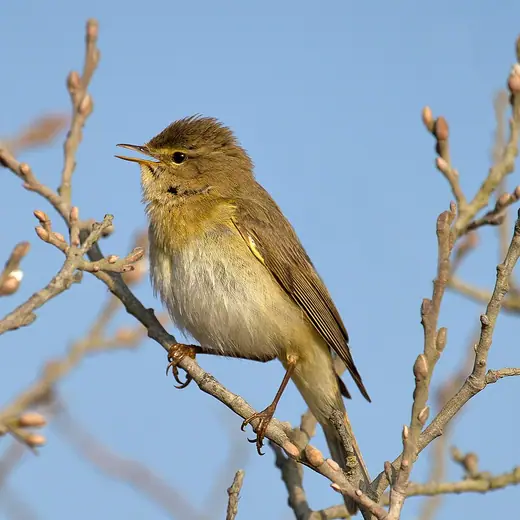 Willow Warbler66% of its observations here fall in these weeks
Cove
Getares cove
Algeciras
- Corvus cornix67% of its observations here fall in these weeks
- Cecropis F.Boie, 182628% of its observations here fall in these weeks
- Sandwich Tern18% of its observations here fall in these weeks
Cliffs
Flysch of the Strait
Algeciras
- Ringed Plover28% of its observations here fall in these weeks
 Black-headed Gull18% of its observations here fall in these weeks
- Ruddy Turnstone17% of its observations here fall in these weeks
Mountains
Sierra de la Plata
Tarifa
- Willow Warbler60% of its observations here fall in these weeks
- European Pied Flycatcher55% of its observations here fall in these weeks
- Alpine Swift54% of its observations here fall in these weeks
Plain
La Janda
Vejer de la Frontera
- Alpine Swift64% of its observations here fall in these weeks
- European Honey Buzzard54% of its observations here fall in these weeks
- European Pied Flycatcher49% of its observations here fall in these weeks
Cape
Punta Cires
Anyera (Marruecos)
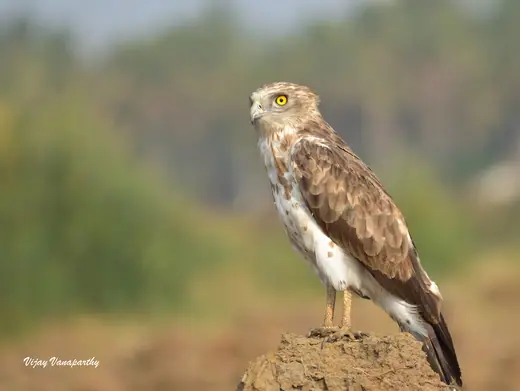 Short-toed Snake Eagle44% of its observations here fall in these weeks
- Booted Eagle41% of its observations here fall in these weeks
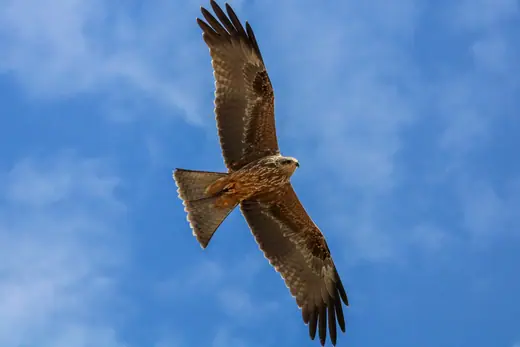 Black Kite29% of its observations here fall in these weeks
Mountains
Jbel Musa
Belyounech (Marruecos)
Too few open records these weeks.
See the placeCity
Ceuta and Monte Hacho
Ceuta
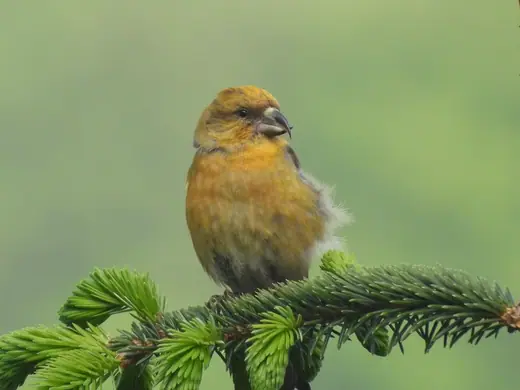 Red Crossbill39% of its observations here fall in these weeks
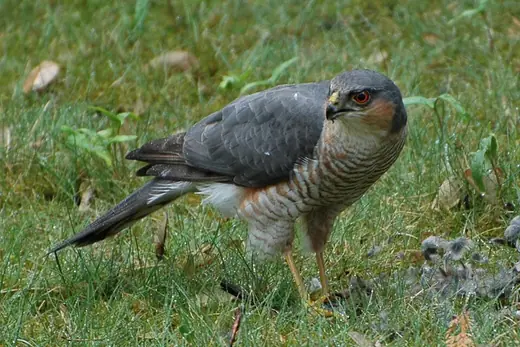 Eurasian Sparrowhawk26% of its observations here fall in these weeks
- Lesser Crested Tern23% of its observations here fall in these weeks
Cape
Cape Spartel
Tánger (Marruecos)
Too few open records these weeks.
See the place
Each species' line is its weekly distribution here; the vertical tick is the current week.
Everything that crosses has its hour
The Strait is not a place of constant passage but a calendar. Each group has its window, and in September the ones marked below coincide.
- Soaring birds heading south: from July to October, peak in September; on passage now
- Soaring birds heading north: from February to May, peak in March
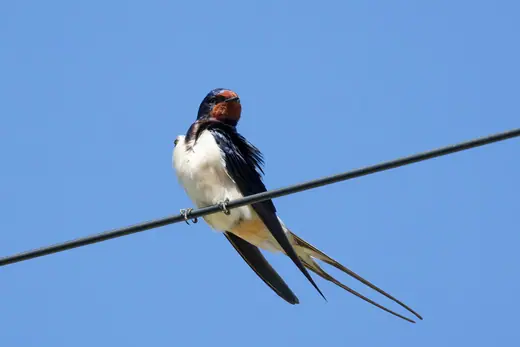 Post-breeding passerines: from August to November, peak in October; on passage now
 Seabirds on passage: from September to April, peak in November; on passage now
Bibliographic source, pending comparison with Fundación Migres
See the routes