Catalogue with species pages
Birds
369 species with a page
Almost all observations from the Strait are of birds.
How they are in the Strait
- 94 resident
- 123 seasonal
- 39 migrant
- 23 occasional
- 85 vagrant
- 3 historical
- 2 to confirm
Strait of Gibraltar, 36°00′N 5°36′W
Two continents. Two seas. One corridor of life.
Two catalogues with species pages, birds and cetaceans: what crosses the Strait through the air and what crosses it underwater. Birds provide almost all the open observations; cetaceans very few, and that too tells the story.
Catalogue with species pages
369 species with a page
Almost all observations from the Strait are of birds.
How they are in the Strait
Catalogue with species pages
16 species with a page
From the harbour porpoise to the blue whale.
The most observed
The explorer will bring together observations, habitats, bathymetry, protected areas and migration corridors on a single chart, with a time scale from 2000 to today.
Where to watch today
Forecast wind at Tarifa, 10:00–16:00
7km/h from the SW
Gusts
20 km/h
With no dominant wind, soaring birds cross at any point between Tarifa and Gibraltar as soon as the thermals rise. It is the most spread-out day and the most comfortable for watching.
Watchpoint: Any; Cazalla and Algarrobo cover both ends
Forecast for Tuesday 8 September, Open-Meteo (CC BY 4.0). A reading, not a prediction of passage.
Seasonality
September is the peak of soaring birds heading south.
Photo: European Honey Buzzard, Alidz31, CC BY · Barn Swallow, Donald Davesne, CC BY · Northern Gannet, Brooke J., CC BY
Deduced from the migration calendar, not from today's observations.
Recent observations
Observations from the last few days will come from eBird and iNaturalist once their terms of use are settled.
Until then this block will show no sightings: presenting a historical record as recent would be the easiest mistake to make and the hardest to detect.
Latest data added: 8 September 2026
Full list taken from the OBIS checklist for the extended area. Sixteen species, from the harbour porpoise to the blue whale.
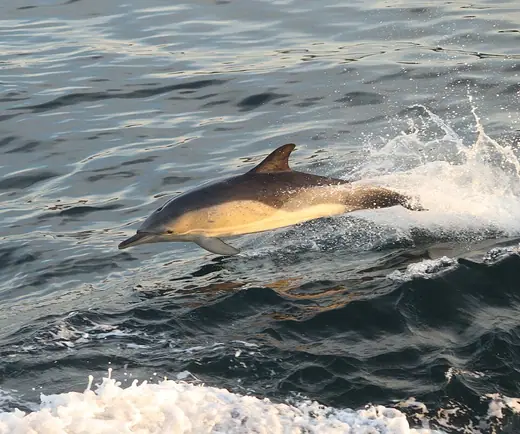 Short-beaked Common DolphinDelphinus delphis
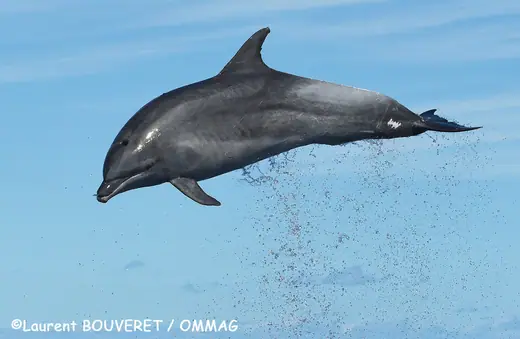 Common Bottlenose DolphinTursiops truncatus
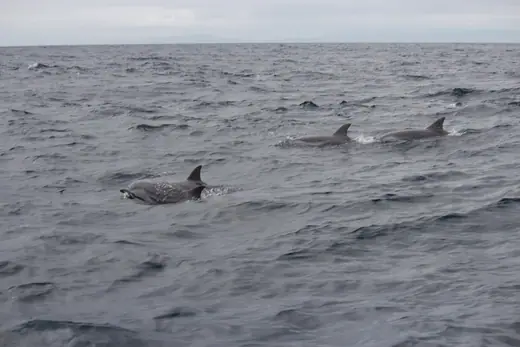 Striped DolphinStenella coeruleoalba
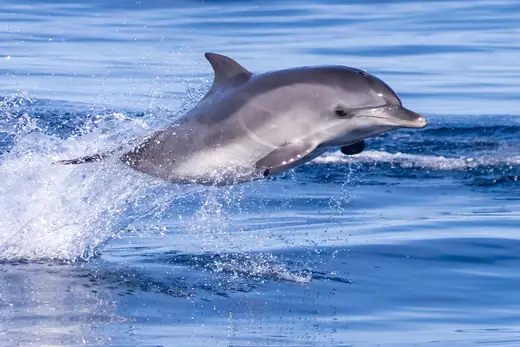 Atlantic Spotted DolphinStenella frontalis
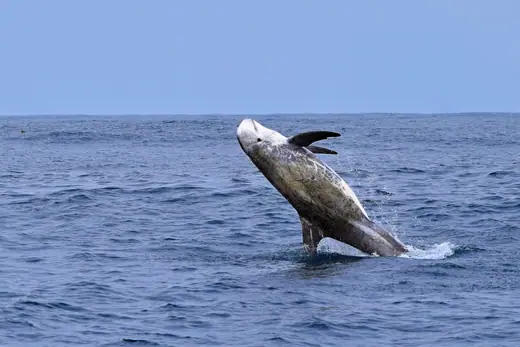 Risso's DolphinGrampus griseus
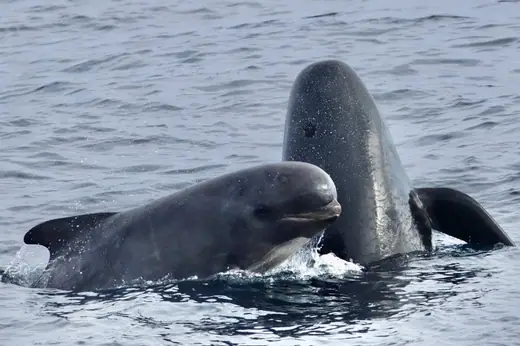 Long-finned Pilot WhaleGlobicephala melas
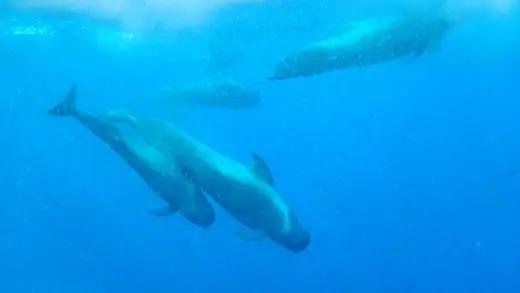 Short-finned Pilot WhaleGlobicephala macrorhynchus
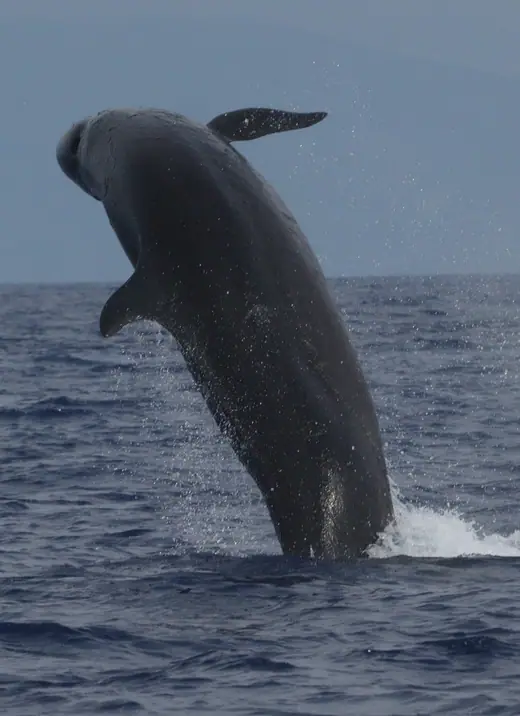 False Killer WhalePseudorca crassidens
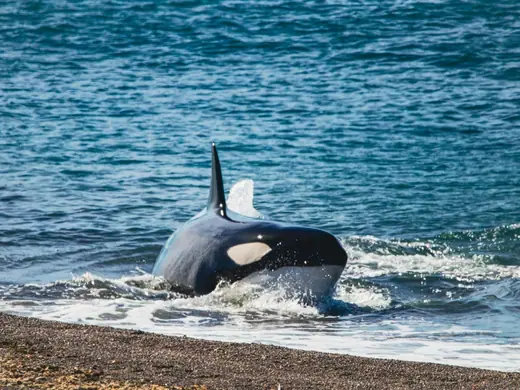 Killer WhaleOrcinus orca
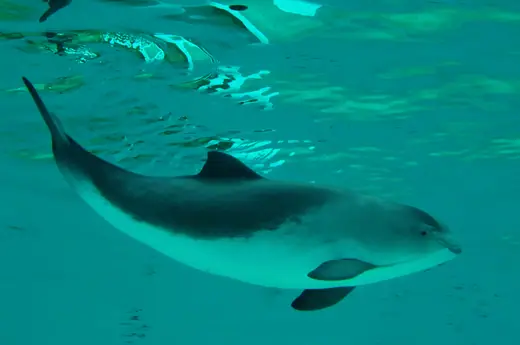 Harbour PorpoisePhocoena phocoena
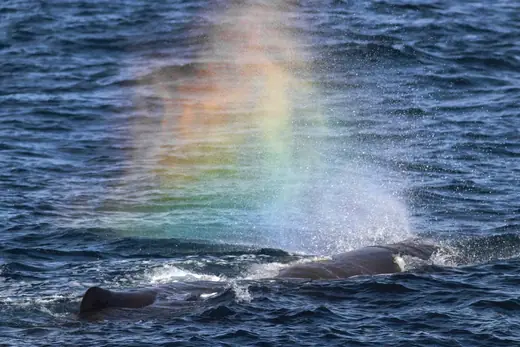 Sperm WhalePhyseter macrocephalus
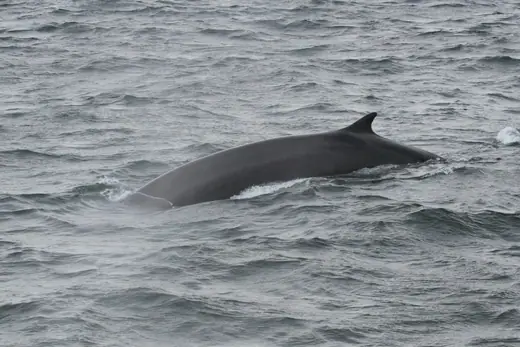 Fin WhaleBalaenoptera physalus
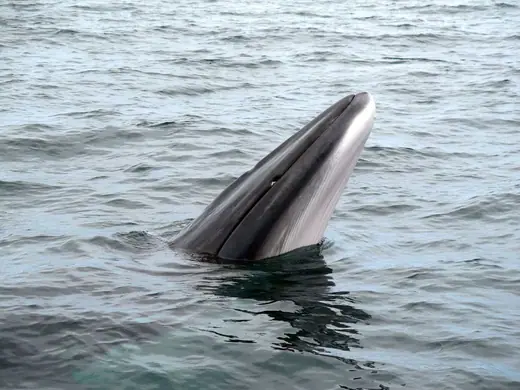 Common Minke WhaleBalaenoptera acutorostrata
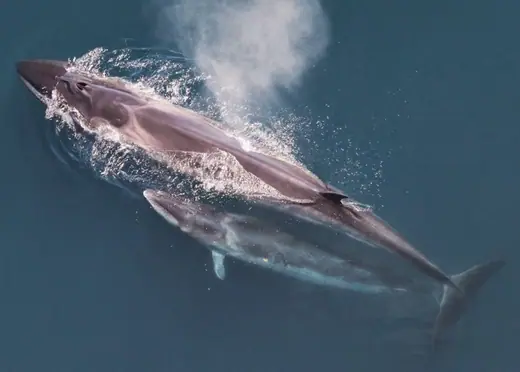 Sei WhaleBalaenoptera borealis
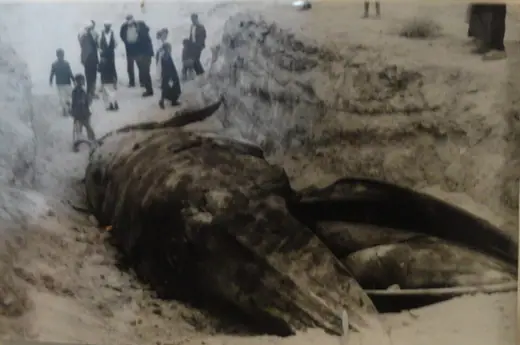 Bryde's WhaleBalaenoptera edeni
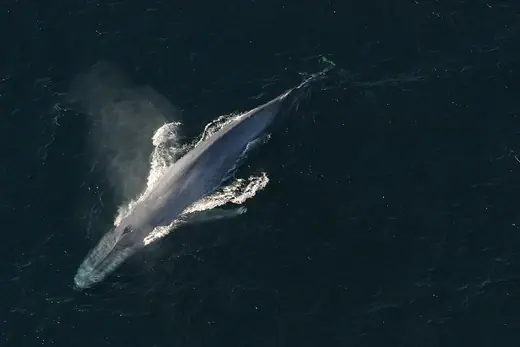 Blue WhaleBalaenoptera musculus
The Strait is not a place of constant passage but a calendar. Each group has its window, and in September the ones marked below coincide.
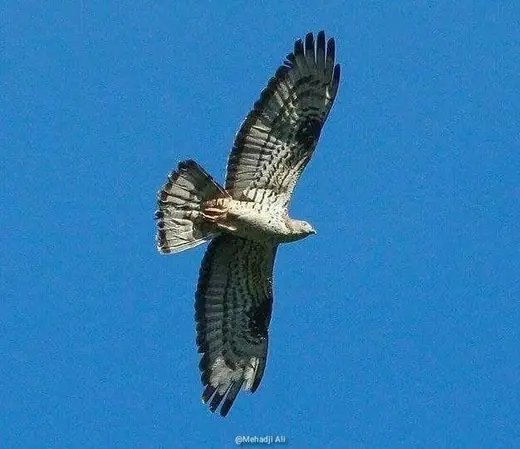 Soaring birds heading south: from July to October, peak in September; on passage now
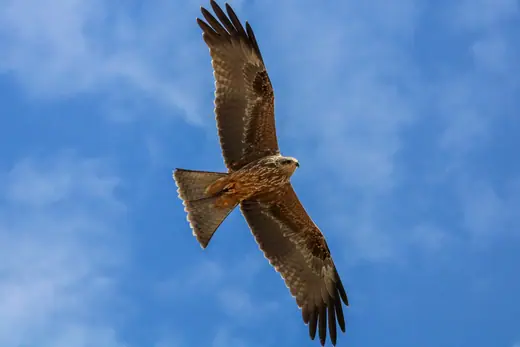 Soaring birds heading north: from February to May, peak in March
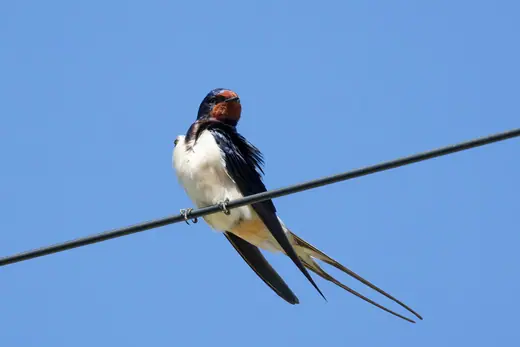 Post-breeding passerines: from August to November, peak in October; on passage now
 Seabirds on passage: from September to April, peak in November; on passage now
Bibliographic source, pending comparison with Fundación Migres
See the routesSpecies of the moment
Pernis apivorus (Linnaeus, 1758)
No other species concentrates its passage so much. Six in ten observations of the honey buzzard in the Strait are from September, and one in four from August. In winter not a single one remains: they are all south of the Sahara.
Our own features and popular pieces. What the data reveals when given time.
Open data
917,015 records from the area carry a non-commercial licence. What is lost, and why losing it is worth it.
In preparation
Marine fauna
Why the underwater step at Camarinal explains which whales enter the Mediterranean and which stay out.
In preparation
Migration
Six in ten honey buzzards recorded in the Strait crossed in a single month of the year.
In preparation